Showing posts with label AAP. Show all posts

February 15, 2015

DELHI POLLS 2014 - Part VII

THE BIG WINNERS AND LOSERS


It is but imperative that we start this post by lauding the efforts of the Chief Electoral Officer of Delhi Chandra Bhushan Kumar, his entire team and the security forces in making sure that the whole voting process went on smoothly. In spite of the fact that Delhites were voting for the third time in last 14 months, they came out in record numbers to exercise their democratic right. The voting percentage was a little over 67 much more than that seen during the Lok Sabha polls which shows that we Indians have still not lost faith in the political system.

With the AAP having swept the polls, winning a staggering 67 of the 70 seats, it is but natural that all of its top guns have won their respective constituencies. Leading the list of the big winners is the party chief Arvind Kejriwal who retained the prestigious New Delhi seat by a mrgin of over 31,000 votes beating Nupur Sharma of the BJP and Kiran Walia of the Congress. His close aide and former state cabinet minister Manish Sissodia too was successful from Patparganj where he beat his former colleague Vinod Kumar Binny who was fighting on a BJP ticket. Meanwhile, former ministers Somnath Bharati and Rakhi Bildan who were in the news for all the wrong reasons during the AAP's 49 day regime emerged victorious from Malviya Nagar and Mangol Puri respectively.

Other prominent winners from the AAP include former ministers - Satyendra Kumar Jain (Shakur Basti), Saurabh Bharadwaj (Greater Kailash) and Girish Soni (Madipur) and former Congress leader Alka Lamba (Chandini Chowk).

Considering that only three BJP candidates were able to tide over the AAP tsunami, they deserve to be in the list of the winners. These include Om Prakash Sharma (Vishwas Nagar), Vijendra Kumar (Rohini) and Jagdish Pradhan (Mustafabad).

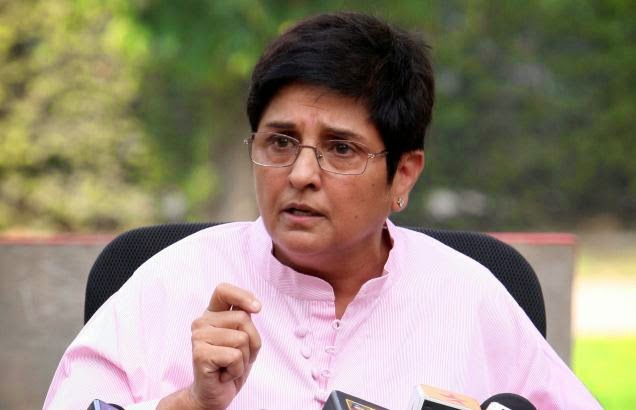
The casualties in the saffron camp were many. Perhaps, the biggest amongst them was the party's CM candidate Kiran Bedi herself who lost from Krishna Nagar which is believed to be a BJP strong hold since it has been nurtured by former state party leader and Union Minister Dr. Harshavardhan. She was beaten by AAP candidate S K Bagga by a margin of over 2,400 votes. Another well known state leader Prof. Jagdish Mukki had to bite the dust from Janakpuri as he lost out to his rival Rajesh Rishi by over 25,00 votes. Meanwhile, former AAP leaders who had joined the BJP ahead of the polls including former Speaker M S Dhir (Jangapura) and Vinod Kumar Binny (Patparganj) too were beaten. Similarly, former Union Minister Krishna Tirath who had jumped to the saffron camp from the Congress lost from the Patel Nagar constituency. Also, former DU president Nupur Sharma who was pitted against AAP supremo Arvind Kejriwal lost by over 30,000 votes.

For the Congress, its campaign chief Ajay Maken lost his deposit from Sardar Bazaar having been beaten by AAP's Som Dutt who polled over 67,000 votes. Like him, former Child and Women Welfare Minister Dr. Kiran Walia lost to the AAP chief having got just over 4,700 votes. Other bigger losers from the party include Muslim faces - Shoaib Iqbal (Matia Mahal) and Haroon Yusuf (Congress), President's daughter Sharmistha Mukherjee (Greater Kailash) and Dr. Yoganand Shastri (Malviya Nagar).


For all posts in this series on Delhi Elections 2015, click here (Link)

February 14, 2015

DELHI POLLS 2014 - Part VI

THE RESULTS

Though the Opinion polls may have been unanimous in declaring the AAP as the clear winner in the Delhi elections 2015 after the votes were cast on February 7, the magnitude of their victory was grossly under-estimated. Nobody, not even the likes of Kejriwal or Yogendra Yadav would have anticipated that their party would bag over 95 percent of the seats in the state assembly. As Shiv Sena supremo Uddhav Thackeray put it, it seemed that the 'Modi wave' was swept aside by the 'tsunami' in favor of the Aam Admi Party. As early as December last year, many felt that the AAP would find it extremely difficult to get a decent tally, forget thoughts of going past the half way mark, especially after a series of political blunders that they had committed in the past year. The whitewash in the national capital in the Lok Sabha polls was hailed as the beginning of the end of the anti-corruption party. In what can be best described as a 'fairy tale', thousands of AAP volunteers ably led by Kejriwal & Co. worked day in and day out to capitalize on the errors made by the BJP to turn the tide in their favor by getting across their vision for Delhi to the masses.

Courtesy: HD Wallpapers wala
The AAP's phenomenal tally of 67 seats is special in many ways. There are very rare instances in multi-party democracies like ours wherein a single party manages to win such a large percentage of seats. The only other state where such a pattern has been observed in recent times was in Sikkim where the ruling SDF under CM Pawan Kumar Chamling won all 32 seats in the 2009 elections to the state assembly. Prior to that, the party had won 31 seats in 2004. Another important trend to notice is that Kejriwal's outfit won nearly 54 percent of the total votes; again, the way our election process is structured, this is not very common. In fact, 55 of the 67 winning candidates of the AAP won over 55 percent of the votes in their respective constituencies, a clear indication that they had won the confidence of the people across all parts of the city. Prominent winners from the party include Arvind Kejriwal, Manish Sisodia, Somnath Bharati, Rakhi Bidlan and Alka Lamba.

   Sr.   
          Political Party          
     Seats     
1
Aam Admi Party (AAP)
67
2
                    Bharatiya Janata Party (BJP)                    
3
3
Congress (INC)
0
4
Others
0

With this memorable win, the AAP has finally managed to stem the Modi juggernaut that had enjoyed unprecedented success in last eight months. The odds were heavily stacked against them. However, the relatively new outfit must be credited for the manner in which they ran their campaign ever since Kejriwal resigned from his post in February last year. With the BJP delaying the elections to the state assembly for reasons best known to them, the AAP got the time to re-group and formulate a strategy to counter the saffronists who were trying to cash in on PM Modi's popularity. Through Delhi Dialogue, the party managed to read the pulse of the voters while convincing them that they would not run away from power this time around. A strict screening process to select candidates and an effective social media campaign further helped their cause. Their 70 point agenda that included some populist measures helped them woo the lower and middle income groups away from the two national parties and helped the AAP register a historic win.

Courtesy: Desktop HD Wallpapers
For the Bharatiya Janata Party (BJP) the results of the Delhi polls have been their worst nightmare. Having bagged 31 seats in the 2013 state elections and won all seven seats in the parliamentary seats the following year, the saffron camp was reduced to just three seats. There is a serious need for introspection within the BJP as many political activists have pointed out, they seem to have handed an easy victory to the AAP on the platter. The delay in scheduling the polls seems to be the first mistake that the party made. As if it was not enough, the infighting within the party's state leadership as well as the move to parachute Kiran Bedi to led the campaign seem to have further contributed to their pathetic performance. In fact, the party seemed to have focused more on 'maligning' Kejriwal's image with PM Modi leading the pitch, rather than telling the people of Delhi what their plans are for the capital. The process of selecting candidates was delayed whereas the saffron camp did not even release a proper manifesto. All in all, the party seemed to have paid a heavy price for being arrogant and for running a 'negative' campaign in the polls. In what was a major setback, the party's CM candidate Kiran Bedi was beaten by AAP's S K Bagga from their stronghold of Krishna Nagar. The only silver lining was that its vote share as compared to the last state polls remained almost stagnant.

For the grand old party of Indian politics, the situation seems to be worsening. The Congress which had ruled the national capital for three straight terms could not even open its account. It managed to win just over 8 percent of the total votes where 62 of its 70 candidates even lost their deposits. Amongst them was its campaign chief Ajay Maken. It is imperative that the party's High Command takes some serious steps to arrest the decline in the fortunes of the INC.


For all posts in this series on Delhi Elections 2015, click here (Link)

February 07, 2015

DELHI POLLS 2014 - Part V

THE THINGS TO LOOK OUT FOR

I am pretty sure that most of you will agree with me when I say that the elections to Delhi will be the most keenly fought electoral contest following the General polls 2014. The campaign was as bitter as it was intense. Unlike the other recently concluded state polls where the Congress put up a rather feeble resistance to the saffron juggernaut, the BJP seems to have found a worthy opponent in the AAP in the national capital. The AAP leadership as well as the thousands of volunteers and karya kartas working for Kejriwal's outfit deserve a round of applause for resurrecting the party from the shambles after the thumping that it got in May last year all thanks to morchas, bike rallies and nukkad nataks (street dramas) that they have undertaken in the last two months. Of course, the saffronists too made their work easier after a series of electoral blunders that saw them lose a lot of ground to their opponents as the polling date approached. In fact, opinion polls suggest that AAP may actually hold an edge over the BJP; meanwhile, the INC's situation continues to be pathetic. The impact that these polls will have will be huge and here are the points to watch out for as the EVMs are opened and the results are announced this Tuesday:

(1) The AAP's Battle For Survival: One can understand why the Delhi polls is so important for the Aam Admi Party (AAP) and its chief. After being demolished in the General polls and being wiped out of Delhi, Kejriwal & Co. have put all on the line. While many expected them to take a defensive line in wake of the May 2014 drubbing, the party cadre worked relentlessly to consolidate their substantial vote base amongst the low income workers and migrants who have traditional been Congress loyalists, besides luring a sizable chunk of traders away from the saffron camp. In spite of the fact that several of its former leaders have crossed over to the opposing camp, the AAP has fought the BJP tooth and nail using limited means and through unconventional and innovative methods, making sure that their vision of a corruption-free Delhi is put across to the electorate. While highlighting their performance during 49 day long government that the party had formed with the outside support of the Congress, Kejriwal has attacked the NDA regime at the Center for failing to do anything for the people of the capital in spite of being in power for the last seven months.

It is a 'do or die' scenario for the the former IRS officer and his outfit. A win would herald a second innings that would help it expand its support base beyond Delhi whereas a defeat could mean an abrupt end to AAP's political fortunes, making it one of the many parties that promised big things but could never deliver anything substantial. In politics, it is rare that a party gets an opportunity to make a comeback and it remains to be seen if Kejriwal and his outfit can grab this golden opportunity with both hands and make the most out of it, failing which, it could well sink into the oblivion.

(2) The End of Modi Mania? The BJP just had the best year in its three decade long history. Besides winning a clear majority on the floor of the Lok Sabha this May, it emerged victorious in Haryana and Jharkhand. In Maharashtra where it fought the polls without its ally - the Shiv Sena, the saffron outfit emerged as the single largest party, winning nearly twice as many seats as its friend turned foe turned friend. In Jammu Kashmir too, the party fared well, picking up 25 seats, all coming from the Hindu dominated Jammu region. It is clear that the persona of the PM Narendra Modi as a pro-development, no non-sense leader has largely been responsible for this wave of support to the BJP across most parts of the country, including those where the party has had minimal historical presence. As the Modi juggernaut has rolled, the BJP has been able to snatch state after state from the Congress and other weak regional satraps who seem to have been blown away.

However, the big question is whether the Kejriwal would be the man who could put a brake on the Modi bandwagon which till a month back looked unstoppable. Opinion polls suggest that the fight for the capital could be a photo finish between the two main contenders - the BJP and the AAP. The PM has addressed several rallies in Delhi where he tore into the Kejriwal's 'dismal' record while in office and asked him to join the Naxalites. On the other hand, the AAP chief's rallies too saw massive turnouts, much more than that of BJP's CM nominee Kiran Bedi. In fact, regional satraps including Mamta Bannerjee who are gearing up to fight the saffronists in their own backyards have put their weight behind the AAP, an indication of how important that results of Delhi 2015 could be on the Indian political landscape.

There has been a certain section in the media that believes that the Delhi polls are a referendum on Modi. In my opinion, such an analysis is a little far fledged. While the national capital is a cosmopolitan city, the voting patterns here, as in many of the other states and cities across the country cannot be extrapolated to the country as a whole. Of course, while a loss would be a blow to the PM, a victory will be the crowning glory in what has been a superb 14 month period for him and his party.

(3) Can 'Master Strategist' Amit Shah deliver yet again: Though the BJP fought the polls under the leadership of Narendra Modi, it was his Man Friday, Amit Shah was the real architect of the party's amazing tally in May last year. As the chief of the saffron outfit's campaign in the mega state of Uttar Pradesh, he ran an efficient campaign using Modi's persona, flaring up communal sentiments and striking deals with various socio-political organizations, thereby helping the BJP and its ally - the Apna Dal win 73 of the 80 parliamentary seats, a feat unparalleled in the country's electoral history. While the Gandhis and the Yadavs were reduced to their pocket boroughs, Mayawati's BSP was wiped off. As such, it did not come as a surprise when the former Gujarat Home Minister was made the national party president last year.

The move has certainly paid off. In Haryana, he decided to ditch the HJC and the saffron camp still managed to go past the half way mark at 45, forming its first government in the state's electoral history. In Jharkhand, he decided to play safe, forging an alliance with the Mahato's AJSU; the move paid off again with the coalition beating the Congress and the JMM. In the big state of Maharashtra, he took the risk of breaking ties with the Shiv Sena as the saffron allies failed to reach an agreeable seat sharing formula. As the results were announced, Maharashtra had its first BJP CM with members of the Sena joining his cabinet. Though his ambitious 'Mission 44+' did not exactly materialize in J&K, the BJP still win 25 seats, the most it had won ever. No wonder, he is considered to be the best electoral strategist in the country.

Unfortunately for him and his party, Shah's magic seems to be waning in Delhi this time around with the BJP committing one blunder after another. At the beginning of the campaign, the party appointed Satish Upadhyay as the head of its campaign instead of making Dr Harshavardhan its face in the state. With the AAP growing from strength to strength, the saffronists made Kejriwal's former colleague in the anti-corruption movement Kiran Bedi its CM candidate. Although the move was hailed by some as a master stroke, as days went by, it became clear that the former IPS officer failed to match the former Delhi CM's charisma at least in the political arena. In a desperate attempt to bolster the party's fortunes ahead of the polling day, the party president got in a host of bigwigs including the PM, Finance Minister Arun Jaitley, Power Minister Piyush Goyal, Commerce Minister Nirmala Sitharaman and over 100 MPs to canvass for the party's nominees. Will this last ditch attempt pay off or will Delhi be a blot on Shah's rather envious report card so far.

(4) Kiran Bedi's political future: While there could be doubts whether the Delhi polls is a referendum on AAP chief Arvind Kejriwal or PM Narendra Modi, one thing is clear. The way the national capital votes will decide for sure, the fate of one politician - BJP's Kiran Bedi. The former tough cop who was with Anna Hazare in the anti-corruption movement is now in the saffron camp. In fact, her appointment as the BJP's CM candidate reportedly sparked infighting amongst the numerous camps that the Delhi unit of the party finds itself in. Though the AAP chief termed this as a move to shield Modi from the blame of the defeat, many thought that Bedi's clean image would compliment the wave in support of the BJP and help it go past the half way mark. Unfortunately, Bedi has not managed to 'set the stage on fire'. A defeat to the BJP would mean the end of her political ambitions though she is expected to easily win her constituency of Krishna Nagar, the stronghold of BJP leader Dr. Harshavardhan. A victory though would make her the CM of the capital.

(5) The fate of the Congress: The 'bad times' for the grand old party seems to never get over. As if the spate of electoral defeats over the last year were not enough, the INC seems to be headed to a third position finish in the Delhi state polls too. Clearly, the move to get in former Union Minister Ajay Maken has not worked the way the loyalists would have thought. The Opinion Polls indicate that the Congress may in fact perform worse than it did in December 2013 when it was reduced to just eight seats. This would be a massive blow to the party and its supporters. Following the rout in the General Polls last year, it seems that the party has not yet been able to re-invent itself or to put it in other words, the electorate has still not forgiven the party for the mistakes that it committed during its decade long regime at the Centre. Anything more than 8 would at least indicate that the Congress has improved its position somewhat whereas a tally less than that would raise serious questions over the party's future. In that case, the voices against Rahul Gandhi and his coterie of supporters will only grow stronger and many heavyweights might actually quit the 'sinking ship' like former minister Jayanti Natarajan did a few days ago.


For all posts in this series on Delhi Elections 2015, click here (Link)

January 26, 2015

DELHI POLLS 2014 - Part IV

A LOT IS AT THE STAKE FOR THE AAM ADMI PARTY

Though I have been a vivid follower of Indian politics over the last 12 years, I must confess that I have never seen the fortunes of any single political party swing from one end of the scale to the other in such a small time frame viz a viz the Aam Admi Party. Formed by former IPS officer Arvind Kejriwal and his coterie of confidantes following differences of opinion over the future of the anti-corruption movement with their mentor Anna Hazare, the outfit thrived in the national capital all thanks to the growing discontent over the policy paralysis that had become the hallmark of the then Manmohan Singh led UPA II regime. At a time when Modi mania had not yet set in, at least in most parts of the country, Kejriwal managed to captivate the minds of the voters in Delhi, chiefly the middle class by promising to eradicate corruption and reduce power tariffs.

In the 2013 state polls, the AAP on its debut, won a staggering 28 seats, just three seats less than the BJP; with the outside support of the Congress, Arvind was sworn in as the Chief Minister of Delhi, a move hailed by many including me back then, as the first step towards cleansing the entire political system in the country. In the next few days, as the funds started flowing into the party's account, the membership of the AAP too grew by leaps and bounds; several eminent people from many different streams left their 'thriving' professions to join the party as it began spreading its network beyond the borders of the capital. Once in power, Kejriwal did fulfill some of the promises he had made during the campaign like reducing the power tariffs. However, his 49 day reign was marred a host of controversies like Somanath Bharati's mid night raid and the fiasco surrounding his resignation after the Lokpal Bill failed to pass the test in the legislative assembly.

Though supporters of the AAP may not agree with me on this, at least in the open, Kejriwal's move of resigning from the post of the CM was a calculated one. Perhaps, he had hoped that the 'sacrifice' he had made in passing the anti-graft legislation would help him win the hearts of the people across the country. What the former IRS officer failed to realize was that by this time, BJP's PM nominee's talk of development had managed to strike a chord with the masses. The General Polls was a disaster from the AAP's perspective . Of the 400 odd seats that it contested, the party won just four seats even as a host of of its top leaders including Kejriwal himself had to bite the dust. In the next few days, the fortunes of the AAP declined with many observers dipping their pens in black ink and writing its obituaries. Voices of rebellion against the party chief and his coterie grew by the day even as many bigwigs resigned from the outfit.

The next state polls to the Delhi legislative assembly though is without doubt, the most important juncture in the AAP's political history; the results scheduled on February 10 could be the big 'make or break' moment for the Kejriwal led party. With the polls most likely to be a direct contest between the AAP and the BJP, the stakes are high for Arvind Kejriwal; he needs to put the bitter experiences of the past behind and re-affirm his hold over the party. Aware of this, the party decided against putting up candidates in the recently concluded state polls and concentrate only on the capital. The party's campaign is on full swing and the crowds turning out at Kejrwal's gathering indicate that he is not going to go down without a fight.

If the AAP does manage to go past the half way or for a fact even manages to finish as the single largest party in the next assembly, a very likely option, it would herald a second innings for the outfit as well as its chief. This scenario will give him the chance to govern the capital for a full term and implement the many promises he has made to the electorate in the past few months. Besides, this could be the model government that the outfit could showcase to the people across the country, thereby helping him build a strong support base outside Delhi. With Punjab, Uttar Pradesh and Uttarakhand going to the polls in the next two years, Kejriwal and the AAP would be in a solid position to make in roads in these surrounding states provided he is in power in the capital. Moreover, all the questions being raised regarding Arvind's 'autocratic' style of functioning will be brushed aside. Moreover, the aura of invincibility surrounding the persona of the PM and the BJP president Amit Shah will be diminished to a large extent, allowing parties like the AAP and for that matter, even the Congress to make a political comeback of sorts.

A loss in the polls to the BJP though would mean a 'death knail' in the political career of the former Delhi CM. For long now, reports have indicated that a series of leaders in the party including Yogendra Yadav, Kumar Vishwas and Shanti Bhushan are miffed with Kejriwal. They believe that the AAP chief has strayed from the path of anti-corruption only to fulfill his personal agenda. In case, the AAP does lose out to the BJP, these voices will only gather momentum in the coming days; in that scenario, the former IRS officer will have to resign from the post of party president citing moral responsibility, failing which, another split in the party is imminent. For the party though, as the principal opposition to the BJP, it will still play a major role in Delhi politics for some years with or without Kejriwal at the helm of affairs. However, by the 2020, one must not be surprised if the battle for the capital becomes a two-sided affair between the saffron outfit and the grand old party, relegating the AAP to the fringes. Under these circumstances, the party's dream of forming a government at the Centre will be all but over.


For all posts in this series on Delhi Elections 2015, click here (Link)

January 18, 2015

DELHI POLLS 2014 - Part III

THREE REASONS WHY THE BJP MAY NOT WIN THE DELHI POLLS

Though the BJP emerged as the single largest party in the last state polls and painted the national capital in 'saffron' six months later, Modi & Co seem to be on shaky grounds a month before Delhi goes to the polls for the second time in 14 months. Although the party won the national elections, defended two states and won four more from the Congress in this period, the toughest challenge that the incumbent PM and his party face after the recent spate of victories will be going past the halfway mark in the Delhi legislative assembly. Truly, it will be the real test of the Modi mania post his stellar performance in the Lok Sabha polls. The following are the reasons why the saffronists are feeling jittery ahead of the polls:

(1) No direct fight with the Congress: Although Modi, Amit Shah and other BJP leaders must be credited for leading the party to a famous victory over arch rival - the Congress in the General Polls as well as a host of states over the last year, there is no doubt that the negativity surrounding the INC also played a key role in the saffron outfit's stellar performance. Especially in its second term, the UPA regime headed by Manmohan Singh became synonymous with 'corruption'.

Let us examine the performance of the BJP over the span of last 18 months. In December 2013, the saffronists were able to retain Madhya Pradesh and Chattisgarh in spite of being in power here for a decade; they won an impressive four-fifths majority in Rajasthan and emerged as the single largest party in Delhi. In the big polls, the BJP led NDA won over 330 seats even as the UPA failed to go past 60 seats. In Maharashtra, the party ended with a superb tally of 123 seats in spite of a public fallout with the Sena, more than the number of seats that they would generally contest in the western state if the coalition would have continued. Up north, history was created twice; first in Haryana where the BJP won a simple majority on its own, followed by Jharkhand where its alliance with the AJSU managed to scrape past the required mark. At the same time, the party recorded below par performances in the by-polls in Bihar and UP while it was trounced by the PDP in the race to be the largest party in Jammu Kashmir.

The bottom line is clear; in the recent past, the BJP has done well when it is pitted against the Congress whereas its performance is lackluster when the saffronists square up against strong regional players except in Jharkhand. In Delhi, the February elections are expected to be a straight fight between the BJP and the AAP. As such, unlike last time, the BJP does not have the advantage of banking on the 'anti-incumbency' against the Congress.

(2) The re-emergence of the AAP: The meteoric rise of the Aam Admi Party on the political scenario post their dream debut in Delhi 2013 was marred by a rather long list of electoral blunders - resigning from the government in the national capital, the decision to contest the General Elections et all. Post the defeat in the nation wide polls, the Kejriwal led outfit was lying low with many raising questions over its future. However, the elections to the Delhi legislative assembly is the best opportunity for the AAP to script a fairy tale comeback.

Kejriwal & Co. know that the results in the February polls could be the key to AAP's national ambitions. If it does well, the party could see itself expanding in other states in the next few years whereas a defeat could spell doom. This is why, Arvind Kejriwal and other leaders of the AAP are giving it all. Realizing that the fight is against the BJP, the party that was born out of Anna Hazare's anti-corruption crusade has come out all guns blazing and accused the Modi regime of renegading the promises it made during the poll campaign. Besides, the party continues to have strong voter base, especially amongst the poor and the migrants who look upon it as an alternative to the national parties who have lost their credibility to a large extent.

Moreover, the AAP though it was in power for only 49 days, is still praised by many for the initiatives taken by Kejriwal when he was in power. Also, the angry over his resignation amongst the people of Delhi also seems to have subsided to a large extent.

(3) Infighting: What could derail the Modi bandwagon in the capital is the reported infighting in the BJP which is believed to be split into several warring factions. This is perhaps the reason that the party has decided not to project any leader as its Chief Ministerial candidate if it is voted to power after warming the Opposition benches in the state legislature for over three straight terms. The factional feud is also affecting the ticket distribution; while most parties have already declared their nominees for most of the constituencies, the saffron outfit is yet to make its list official.

The BJP fought the 2013 polls under the leadership of Dr. Harshvardhan who is presently serving as a minister in the Union cabinet. He is unlikely to return to state politics even if the saffron outfit wins. This time around, the party's campaign committee is headed by former student leader Satish Upadhyay who has been with the RSS. Heavy weights like Vijay Goel, Jagdish Mukhi and Vijay Kumar Malhotra are said to be heading the various factions in the state unit of the party and fancying their chances for the top post. The joining of former Kejriwal aide Kiran Bedi has further added fuel to the fire with many feeling that she could be the surprise choice for the CM's chair. Even party spokesperson and MP Meenakshi Lekhi could be a consensus candidate to keep all factions happy.


For all posts in this series on Delhi Elections 2015, click here (Link)

January 17, 2015

DELHI POLLS 2014 - Part II

MAKEN TO THE RESCUE


Aware that it could be relegated to the third position for a second time in a row, the Congress has decided to shake up things by appointing Ajay Maken as the head of its electoral 'campaign' for the Delhi state polls, scheduled for February 2015. While it is pretty clear that the contest is going to be a direct fight between the BJP and the AAP, the INC's move to bring in the former Union minister is seen as an desperate attempt to get an image makeover ahead of the elections. After being decimated in the last state polls where it failed to go past the two digit mark in its former strong hold and following a sting of electoral defeats in 2014 including a disastrous General Elections, the grand old party is at its lowest point in its 120 year long chequered history. However, what bothered political observers and analysts the most was its sheer lack of conviction in doing any sort of introspection into the many issues that are plaguing the INC at present and taking certain 'tough' decisions to arrest its continued decline rather than offering mere lip service.

For a change though, the party surprised everyone by putting the former Sports Minister at the helm of affairs in the poll bound national capital; while this many not have any significant bearing on the result of the Delhi elections, it is certainly a step in the right direction. The fifty year old leader who shot to fame after winning the elections to the post of president of the Delhi University (DU) in 1983, won three consecutive terms in the state legislative assembly from 1993 to 2003 and also held various portfolios in the Sheila Dixit cabinet. In 2004, he contested the Union Polls and represented the prestigious New Delhi parliamentary constituency for two straight terms. Following the Congress' defeat in the 2013 state polls which it fought under the leadership of the then incumbent CM, there was a void in the party's state unit which was left licking its wounds having being reduced to just eight seats. What made the matters worse was the total wipe out in the parliamentary polls wherein some of its most popular faces - Kapil Sibal and Ajay Maken himself lost out to the saffron party that was riding high on the Modi wave. Aware of the fact that the INC is fast losing its remaining voter base in Delhi to the BJP and the AAP, this decision seems to make some sense. And here are the reasons. Maken, a loyal Congressman has been in politics for nearly three decades and brings in loads of experience of working both at the state and at the Centre. Secondly, he is amongst the handful of Congressmen to have a 'clean' public image. Thirdly, by projecting him as their leader, the INC has distanced itself from former Delhi CM Sheila Dixit who is seen as being ineffective in controlling rampant corruption prevalent during her 15 year term. It also helps the party tackle anti-incumbency. And most importantly, Maken is said to be close to the party Vice President Rahul Gandhi which is a one-requisite for occupying any high profile post in the party.

As I have already mentioned earlier, the impact that Maken may have on the results could be negligible. I mean, for the state that the Congress finds itself in, winning even 10 to 12 seats could be considered a 'phenomenal performance'. At the same time, in my opinion, this is the first time that the party seems to have taken a right step post the 2014 Lok Sabha debacle. The move to project Ajay as its face in the capital may not have any immediate results. Yet, it is an important step keeping the party's political future in mind. The Congress has lost the faith of the masses and the cadre morale is low following the series of electoral reverses in the past few months. As such, people like Maken who have literally emerged from the grass roots could help in rebuilding the grand old party. It will be in the interest of the INC to persist with the former minister irrespective of the tally that the party wins.

However, the big questions still remain unanswered. In spite of leading an extremely inactive and spineless campaign that saw the Congress register its worst ever results in the nation wide polls, Rahul Gandhi continues to be the No 2 within the party. Isn't it time to 'reprimand' the crown prince and his coterie for the mistakes that they committed? Similarly, is the first family ready to give a free hand to state leaders and not interfere in their functioning at the fear of losing their grip within the ranks? And most importantly, is the INC ready to reinvent its outdated and pro-minority ideology to remain relevant in the political landscape? And then, these are just a few questions that are glaring in the face of India's oldest political outfit. The decisions that it makes today will decide if the party could ever reclaim its numero uno position in Indian politics.


For all posts in this series on Delhi Elections 2015 , click here (Link)

January 13, 2015

DELHI POLLS 2014 - Part I

MODI v/s KEJRIWAL - ACTION SHIFTS FROM VARANASI TO DELHI

In April last year, AAP supremo and former CM of Delhi Arvind Kejriwal announced his candidature against BJP's PM nominee Narendra Modi from the prestigious constituency of Varanasi along the banks of the River Ganga. Till then, it had been a fairy tale journey for the former IRS officer who was less than an year old in politics. Four months earlier, his newly launched outfit had managed to do the impossible; in the Delhi state polls, the Aam Admi Party (AAP) had a dream debut as it ended with a superlative tally of 28 seats, catapulting it amongst the most popular parties in the political arena. With 'corruption' occupying the central stage, the AAP's vision of a 'graft-free' India found popular support amongst the masses. In spite of falling short of a majority on its own, Kejriwal was sworn in as the Chief Minister of the capital after the Congress party which the former revenue officer had earlier referred to as the 'most corrupt political party' decided to give him outside support for the sake of keeping the 'communal' forces a.k.a the BJP at bay. The arrangement did not remain for long though; after a 49 day tenure largely marred by many unwanted controversies that further hit the outfit's credibility, Kejriwal resigned as he did not have the numbers to pass his pet - Lokpal Bill.

He did not lose heart though; encouraged by the success of his experiments in Delhi, Kejriwal chose to put all the drama behind and decided to go for the big prize. Though his infant party lacked organization and structure in most parts of the country, he decided to nominate candidates from over 400 parliamentary seats. And as if to drive home a point, he personally jumped into the fray against Gujarat CM Modi who was emerging as the clear front runner to the post of country's next PM. Unfortunately, Kejriwal's gamble failed. As the BJP painted the entire country in saffron, the former Delhi CM cut a sorry figure, with many raising questions over his political future.

In my opinion, the Aam Admi Party paid a heavy price for being 'over ambitious'. At a time when Narendra Modi was raising the hopes of a nation that was feeling let down by its incumbent regime through his agenda of 'inclusive development', Kejriwal's campaign of targeting politicians found relatively fewer takers. This was reflected in the results as AAP managed to win just four seats. It was routed in its stronghold of Delhi; most of its prominent leaders including the likes of Kumar Vishwas, Shazia Ilmi and Yogendra Yadav lost to their high profile opponents. And most importantly, the AAP chief himself was trounced by Modi by an impressive margin of over 3.37 lakh votes.

Though he won the face-ff against Kejriwal in Varanasi, the incumbent PM is certainly not the one to forgive and forget. As such, when he spoke at an election rally to kick start the saffron outfit's campaign for Delhi, he tore into the AAP chief's rather short-lived tenure as the state's CM. Though he did not take names, Modi advised the former IRS officer who had once called himself an 'anarchist' to join hands with the Naxals. In a bid to prevent the AAP from drawing political mileage from their move to cut electricity tariffs, the PM promised to raise power generation in the country to make sure it is available for all at cheaper rates. In his 38 minute speech, the PM's went on a complete offensive against Kejriwal aware that the battle for Delhi would be a direct contest between the BJP and the AAP.

Now, he may be down but the AAP leader is definitely not out. After all, even the idea to contest against Modi from Varanasi was a gutsy one. And in spite of a series of setbacks last year, Kejriwal refused to take the salvos fired by the PM lying down. Speaking to the media after the PM's election rally, he refuted the charges against him. Besides, he also accused the BJP government of failing to fulfill the promises it made to the people prior to the General Polls.

So, the stage is set for the second part of the Modi v/s Kejriwal saga. Will Modi make it 2-0 or will the AAP chief make him eve-steven? Lets wait and watch.


For all posts in this series on Delhi Elections 2015, click here (Link)

January 01, 2015

2015: THE POLLS TO LOOK OUT FOR...


What an year 2014 has been. After 'misgoverning' the nation, especially in its second term, India's grand old party was taught a lesson that it will, rather it should never forget. The Congress that has ruled the country for nearly six decades, was reduced to a tally of 44 seats, the lowest in its 130 year long 'illustrious' history. The mother and son duo of Sonia and Rahul Gandhi tried to put on a brave face late that afternoon on the day of the results with Baba who spearheaded his party's spineless campaign, even smiling for the cameras as if 'nothing great had happened'. As if to rub salt into their wounds, the BJP under its controversial yet charismatic leader Narendra Modi edged past the halfway mark on its own, signalling the end of an era of unholy alliances and 'quid pro quo' politics that had lasted for nearly three decades. As the Modi wave raged on, regional satraps were swept away; leaders like Mulayum Singh Yadav, Nitish Kumar and Sharad Pawar were routed except in their boroughs while those like Mayawati were not even able to open their accounts. Of course, there were some notable exceptions; the likes of Jayalalitha, Mamta and Navin managed to keep the saffron forces at bay.

As far as the state polls are concerned, the BJP seems to have picked up from its superlative performance from December last year where it retained Madhya Pradesh, Rajasthan and Chhattisgarh while ending up as the single largest party in the capital. Months after that victory in the general polls, the BJP won over 120 seats in Maharashtra, nearly twice as much as its estranged ally, the Shiv Sena. As the two saffron parties patched up, Devendra Fadnavis was sworn in as the CM of the western state. Up north, the party created history yet again as it won a simple majority in Haryana in a poll that saw the incumbent INC being a distant third. Few months later, the BJP led alliance grabbed pole position in Jharkhand and swept Jammu though it fell behind the PDP by 3 seats in the final tally. In Andhra, it was the return of Chandrababu Naidu whereas his once bitter rival K C Chandrashekar Rao became the first CM of the newly created state of Telangana. The only consolation for the Congress was a win in the Arunachal assembly elections. Meanwhile, Odisha's Navin Patnaik and Sikkim's Pawan Kumar Chamling held their respective fortresses in spite of the emergence of strong opposition from newer forces in their backyards.

So after a cracking year that saw seismic shifts in the entire political landscape of the country, what does the upcoming year have for us. The first state to go for polls in 2015 will be Delhi that has been under President's Rule ever since Arvind Kejriwal resigned from the post of the CM following a tenure that lasted less than fifty days and was marred by several unwanted controversies. The AAP that made a blunder by opting out of the government in the national capital is hoping to put the ghost of 2014 General Polls in the past and regain the trust of the masses, something that pundits believe will be easier said than done. While the Congress continues to be a non-entity here, like in most parts of the country, the BJP is hopeful that Modi mania and AAP's track record will help it get the required numbers.

However, the polls to watch out for will be elections to the Bihar state assembly. After registering an impressive tally in the May where it won 32 of the 40 parliamentary seats, the NDA was in for a shock as the grand alliance of the ruling JD-U, the RJD and the Congress managed to salvage some pride by winning six of the 10 assembly segments where by-polls were held in August, earlier this year. The next state elections will be the true test of the new found bon homie between former bitter rivals - Nitish Kumar and Lalu Prasad Yadav. A victory for these former strongmen will have a tremendous repercussion on the politics of the country apart from reviving their individual political careers. In case the partnership does well, you can expect several other regional competitors to join hands in a bid to thwart the BJP which is emerging as a relevant player even in places where it earlier had marginal presence. A saffron win though will only further strengthen the aura surrounding the incumbent PM and further strengthen the BJP.

And then, there are some more states where the incumbent regimes seem to be shaky and snap polls could be held next year. The drama over the government formation is likely to continue over the next few weeks in Jammu Kashmir. Even if a coalition government is cobbled up in Srinagar, serious political differences between partners could force the governor to dissolve the assembly and ask the parties to seek a fresh mandate. Such fears are also emerging from Goa where Parrikar's departure has changed the political scenario in the state in spite of the fact that the BJP has a simple majority on its own; the state's deputy CM Francis D'Souza could raise the banner of revolt yet again and put the Parsekar government in minority in the house. In Jharkhand, the AJSU which has 5 seats could keep the BJP on tenterhooks and pull out of the government if its timely demands are not met. Perhaps, Assam could also go to polls in 2015 if the Congress fails to contain the rebellion brewing against Tarun Gogoi for some time.

Apart from state polls, here are the other big developments to watch out for in Indian polity as we usher in the new year.

(1) During the course of the high voltage campaign, Modi promised a lot of things to the electorate and a nation that had been let down by its political masters for five long years immediately gravitated towards the BJP. Now that the saffron outfit has comprehensively won the polls and the honeymoon period is over, the masses are eagerly awaiting for the big ticket reforms to be passed. Besides, with the entire opposition benches joining hands, it will be interesting to see how the incumbent regime manages to pass key legislations, especially in the Rajya Sabha where it lacks the necessary numbers.

(2) Following their phenomenal performance in the big polls, the BJP registered big gains in four of the seven states where elections were held in 2014. With Delhi and Bihar going to polls in the next few months, can the saffron outfit carry its good form into 2015? Bihar is particularly important since it will see the new look NDA take on the grand alliance consisting of the JD-U, the RJD and the Congress after the skirmishes that occurred between the two side over the last year.

(3) The last few months have been the worst in the history of the INC. After being beaten in state after state, we need to see if the new year can bring some good luck for the Congress. Also, we will see whether Rahul Gandhi has learnt from his past mistakes and has the ability to take the party forward, though many of the loyalists seem to have already given up on him.

(4) 2015 will be a crucial one for the latest avataar of the Janata Parivaar too. Apart from the Bihar elections where this new alliance has a lot at stake, we will see if the stalwarts including Mulayum, Lalu and Nitish can gulp their egos, overlook their past differences and stay together at the cost of their personal ambitions.

(5) Former CM Arvind Kejriwal and his party, the AAP are expected to come out all guns blazing to salvage some lost pride in the Delhi elections; however, regain the confidence of the people in the capital will be extremely difficult. The likes of Jaya, Mamata and Navin who did remarkably well in the general polls had their own share of controversies in 2014. While Jaya was briefly behind bars in the DA case, Mamata and Navin were busy fire fighting allegations against their confidantes in the Sharddha scam. What is in store for these regional bigwigs is something to look out for.

August 31, 2014

AKHADA - Part I

THE CONTENDERS


The defeat of the BJP in the recently concluded Bihar by-polls (Link) has raised question marks over the Modi wave and if it can help his party do well even in the states where it lacks a strong organizational base. Of course, this might well be true. There is no doubt that in the elections to the assemblies of Jammu Kashmir (Link) and Maharashtra (Link) scheduled later this year, the saffron outfit is going to find it extremely difficult to replicate the superlative figures that it got in the parliamentary polls from here. However, if there is one state post the May results where the party can genuinely fancy its chances, it has to be Haryana. Fighting the elections in alliance with Bishnoi's HJC, the saffronists obliterated the Congress, winning seven out of the eight seats that they contested. Apart from a resurgent BJP which is sensing victory, the Hooda regime is battling massive infighting within the state Congress unit, a cancer which if not cured soon may end up rendering the INC's electoral campaign 'toothless'. With a host of leaders from various political parties hoping on to the saffron bandwagon, the morale in the BJP camp is on an all time high. It is probably because of this that the party has refused to honor the seat sharing arrangement that it had finalized with the HJC, leading to the latter walking out of the NDA. At the same time, with most of the INLD top brass still behind the bars, the regional party is unlikely to be a serious challenger to either of the two national parties that are all set to dominate Haryana politics for some time now.

Trouble for the incumbent CM Bhupinder Singh Hooda started probably in September last year when Narendra Modi addressed a rally of ex-servicemen in Rewari following his anointment as the NDA's official PM candidate. With the Gujarat CM making several trips to Haryana in course of the campaign, his talk of development seems to have convinced at least several Congressmen including four serving MPs that their continued association with the grand old party could jeopardize their political careers. After the INC managed to win just a single seat in the Lok Sabha polls, the skeletons came tumbling out of the closet as many state leaders questioned Hooda's leadership abilities. While leader like Ajay Singh and Kumari Selja had questioned Hooda's leadership, others including Jitender Malik and Jat strongman Bhirender Singh joined the saffron camp. The high command finally seems to have woken up and has taken stock of the situation before it deteriorates further. In a bid to mollify senior leader Ajay Singh who had earlier resigned from the Hooda cabinet, the six time MLA has been put in charge of the party's election campaign committee in Haryana. As if to satisfy the numerous warring factions within its ranks, the seven member panel also includes the CM and his son - Deepak who represents Rohtak in the Parliament. It remains to be seen if the change in leadership could help the Congress in tackling the anti-incumbency in the polls.

As if his defeat to INLD's Dushyant Chautala from the Hisar parliamentary seat was not enough, former CM Bhansi Lal's son and Haryana Janhit Congress (HJP) chief Bishnoi was left red-faced when the BJP flatly refused to concede his demands of 45 seats in the upcoming state elections. According to the agreement between the two parties agreed upon an year back, the HJC and the saffron outfit were to contest half the number of seats each and had agreed to project Kuldeep Bishnoi as the CM candidate of the alliance. With the regional party failing to win either of the two parliamentary seats that it contested in May 2014 and the BJP putting up an impressive show, the saffronists, now bubbling with confidence wanted to re-negotiate terms. As more leaders from various parties joined the BJP, many within the state unit asked the central leadership to take a tougher stance towards Bishnoi and the HJC. With no clear communication over the matter from Amit Shah or the BJP central leadership, Bishnoi broke off the alliance. In fact, he has now joined hands with Venod Sharma's Jan Chetna Party (JCP) and has vowed to teach his former ally a lesson besides defeating the Congress. The JCP chief is the father of Mannu Sharma who was convicted for the killing of Jessica Lal in 1999. Known to be close to Hooda, the Brahmin leader left the Congress earlier this year and launched his new outfit after his attempts of contesting on a NDA ticket for the General Elections was bitterly opposed by senior BJP leaders like Sushma Swaraj.

The once powerful Indian National Lok Dal (INDL) which ruled in Haryana for a full term between 1999 and 2004 has been reduced to a pale shadow of its former glory. The crushing defeat in two consecutive state polls almost broke the morale of the cadre. However, the lethal blow came in early 2013, when a court in New Delhi sentenced Om Prakash Chautala and his son Ajay Chautala to ten years imprisonment for their role in the recruitment scam. With its top leadership tainted, it seemed that the days for the Jat outfit were numbered. As such, it did come as a surprise when the Chautalas went on to win two seats in the recently concluded parliamentary polls. While Om Prakash's grandson Dushyant beat HJC chief Bishnoi, INLD candidate Charanjeet Singh Rori won from Sirsa. Although the regional party seems to be on the rise, it is highly unlikely that it will win more than 10 seats in the state elections. There were reports that outfit was keen on a coalition with the BJP for the upcoming polls and the Akalis too had asked the saffronists to consider this proposal. However, with corruption being an important electoral issue today, any kind of understand with the INLD can potentially backfire.

After a dream debut in the Delhi state polls and a good showing in Punjab in the Lok Sabha elections where it won four seats, the Aam Admi Party (AAP) was expected to emerge as the strongest rival to the ruling Congress's dominance in Haryana. In fact, many believed that senior leader and psephologist Yogendra Yadav would help the Kejriwal led outfit to make significant roads here. However, following the May 16 results, the AAP seems to be in complete disarray. Besides severe infighting, the former Delhi CM's hasty decision of resigning from his chair after being in power for 49 days has certainly led to a perception that Kejriwal & Co can never rise above dharnas and agitations to provide a stable government to the people. Much like the INC, the AAP seems to be fighting the upcoming polls with its back against the wall. On the other end of the political spectrum, former state home minister Gopal Kanda too has floated his own party - the Haryana Lokhit Congress (HLC) after withdrawing his support to the incumbent Hooda government. The prime accused in the murder of air hostess Geetika Sharma, the Sirsa MLA spent several days behind the bars and is presently out on bail. Ironically, the 46 year old has vowed to shake up the entire political establishment in Haryana. Meanwhile, the Bahaujan Samajwadi party (BSP) too has thrown its hat in the ring and has declared former Congress MP Arvind Sharma as its CM candidate.

After winning seven of the eight parliamentary seats that it contested in the state three months ago, the Bharatiya Janata Party (BJP) is believed by many to be in the best posiiton to form the next regime in Haryana. For a party that was considered as a minor player in Haryana politics until an year ago, the elevation of Modi and the entry of several high profile candidates from the Congress and the INLD has suddenly transformed the saffron outfit into a major contender for the top spot. So confident is the BJP of doing well that it has literally 'forced' HJC supremo Kuldeep Bishnoi to break ties with it and has also spurned all offers of its former ally, the INLD. However, following the unexpected blow that the NDA suffered in the recently concluded by-polls in Bihar, the party has to be wary. Without a prominent face in the state, the BJP may find it difficult to get the votes. Besides, the joining of several high profile candidates en masse into the saffron camp could lead to factionalism and jeopardize the ticket distribution exercise. All in all, though the BJP is at present the most popular in Haryana, victory in the upcoming state polls is far from guaranteed.


For more posts on the Haryana 2014 State Elections, click here (Link)

May 16, 2014

UTTAR PRADESH & LOK SABHA 2014


THE BATTLE OF BATTLES


Now we come to the big daddy of all - the state of Uttar Pradesh. Having encompassed the entire country, we can now spend some time analyzing the most populous state of the country. Actually, only five countries in the entire world including India have more people than UP. With 80 parliamentary seats up for grabs, the way to Delhi truly passes via Lucknow. In the past though, we have seen that none of the four major parties here have been able to win a decisive victory as far as the last three Lok Sabha elections are concerned. However, in the last two state elections, the mandate has been clear; while Maya crossed the 200 mark in 2007, Akhilesh did even better two years ago (Link). Now the question is whether any of the four main contenders can do the same in the 2014. After that stunning victory, the SP is confident of a good showing. The Congress and the RLD are hopeful of doing what they did in the last General Elections. Mayawati is keen on a comeback whereas the BJP is hopeful that the Modi wave will help them boost their figures.

ISSUES

(1) Development: While it is India's largest state, UP has lagged behind others like Maharashtra, Gujarat and Tamil Nadu in terms of industrial development. In spite of having extensive natural resources at its disposal, fertile soil and abundant water, majority of people continue to remain poor. One of the biggest reasons for this is has been that the local politics has been dominated by factors like caste and religion. However, this time the BJP's PM nominee Narendra Modi has focused his election agenda on the plank of development. Of course this doesn't mean that there has been no caste or communal polarization by the saffron camp. However, the ground reality remains that the people here are keen to usher in development and enjoy fruits of it.

(2) Performance of the Akhilesh Yadav: It has been a little over two years since the young Akhilesh was placed at the helm of affairs in Lucknow. At 39 years old, he was one of the youngest CMs of the country and a lot was expected from him. Probably, the General Elections are the best time to see if the SP leader has been able to win the hearts of the people or not. While his regime has been true to some of its electoral promises made during the campaign, the fact remains that the law and order situation in the state has deteriorated, like in earlier Samajwadi regimes. The failure to prevent the Muzaffarnagar riots and the suspension of upright officer Durga Shakti Nagpal have been blots on the young leader's career so far.

(3) Caste Equations: As mentioned earlier, the caste equations have traditionally dominated the politics in this state since independence. The BSP supremo Mayawati whose famed 'Social Engineering' saw her sweeping the 2007 polls has gone back to the drawing board, hopeful that selection of candidates based on their caste would help her stage a grand come back. Besides, the Dalit votes, she is trying to woo the Brahmins who played a key in her victory seven years ago. The SP is dependent on the support of the Yadavs. The BJP, known as a party of the Upper Castes has roped in the Kurmi outfit - the Apna Dal in its fold.

(4) Communal Polarization: Apart from caste politics, another matter of concern in the big state is communal polarization. This certainly works here as seen during the early nineties when the BJP swept the state, riding on the sentiments following the demolition of the Babri Masjid. The candidature of Narendra Modi has made 'Secularism' a major talking point across the nation, more so in UP which accounts for nearly half of the country's total Muslim population. Moreover, after the Muzaffarnagar riots (Link) in Western UP, communal flares are running high. Amit Shah, whose role in the alleged fake encounters in Gujarat has come under the scanner has been made the head of the BJP's campaign in UP. His visit to the Ram Janmabhoomi and his call to avenge the Muzaffarnagar riots are clearly an attempt to help it win votes on religious lines. SP Muslim face Azam Khan went a step further, claiming that it were 'Muslim' soldiers in the Indian army that won the Kargil war and later even refused to apologize. Congress president Sonia Gandhi met the Shahi Imam Syed Ahmed Bukhari to help consolidate minority votes. Even Mayawati has given many seats to Muslims.

CONTENDERS

(1) Samajwadi Party (SP): There were a lot of expectations as young Akhilesh Yadav was made the CM of UP after he led the party to a handsome victory in the state assembly polls. Two years down the line though, nothing seems to have changed. While his performance has been much better than that of the preceding Mayawati regime, the young Turk's inability to protect the Muslims during the Muzaffarnagar riots of 2013 has led to bad press. With his son in Lucknow, daddy Mulayum Singh Yadav is eyeing a bigger role for himself in national politics, having been a founder member of the Third Front (Link). If he does manage to win over 25 seats, he could be the Federal coalition's PM choice. Apart from highlighting their regime's 'development' work, the SP is also hoping to benefit from communal polarization, especially in the aftermath of the riots and the candidature of Narendra Modi. In fact, senior leader and outfit's Muslim face Azam Khan had been banned by the EC from campaigning for flaring up religious sentiments. Also, in a bid to stem the Modi wave, Mulayum has also decided to contest from Azamgarh, besides his traditional seat of Mainpuri. Other candidates include the CM's wife Dimple Yadav (Kannauj) and party supremo's nephews - Akshay Yadav (Firozabad) and Dharmendra Yadav (Badaun).

(2) Bahujan Samajwadi Party (BSP): For two long years, Behenji has virtually lost her political dominance in the big state to her bete noire - the SP. After that drubbing she got in 2012, the former UP CM is hopeful that the next Lok Sabha would see her making a grand comeback. However, the BSP's campaign has been rather lackluster. It has not been able to project itself as a strong contender here. Even the talks of alliance with the Congress, something that was doing the rounds for some time failed as Mayawati realized from her past experiences that her allies' votes do not go to her outfit. At the same time we need to keep in mind that she just cannot be written off. The Dalit leader may well spring a surprise like she has done in the past. As usual, she has relied on the caste equations to win seats. Her party's candidates include a mix of mix of SCs, STs, Muslims, Thakurs and Brahmins. Prominent amongst these are Akbar Hussain (Rampur), Shah Alam (Azamgarh), Qadir Rana (Muzaffarnagar), Mukul Upadhyaya (Ghaziabad), Satish Awana (Noida), Seema Upadhyaya (Fatehpur Sikri), and Narayan Singh (Agra).

(3) United Progressive Alliance: In 2009, the Congress performed out of its skin to win over 20 seats. This time, though it has the RLD with it, crossing even the 10 mark is going to be extremely difficult. Even former CM and veteran Congress leader Jagdambika Pal has crossed over to the BJP. The INC found itself in the centre of a controversy as its candidate Imran Masood in a video film threatened to cut Modi into pieces. He was later sent to judicial custody in what turned out to be an embarrassment for the party. As brother Rahul faced stiff competition from Smriti Irani and Kumar Vishwas, sister Priyanka Gandhi Vadra came to the rescue, campaigning in the pocket boroughs of Amethi and Rae Bareli. Her war of words with Narendra Modi - the 'Neech Rajneeti' comment and with her cousin Varun provided fodder to the media. The party's nominees include the president Sonia Gandhi (Rae Bareli), her son and vice president Rahul Gandhi (Amethi), former state party president Rita Bahuguna (Lucknow), film stars Raj Babbar (Ghaziabad) and Nagma (Meerut), cricketer Mohammad Kaif (Phoolpur) and ministers - Sri Prakash Jaiswal (Kanpur) and Salman Khurshid (Farrukhabad).

The Rashtriya Lok Dal (RLD) is fighting the polls in alliance with the Congress. However, the situation for Ajit Singh led party is precarious. The Muzaffarnagar riots have led to a split between the two traditional voters in western UP - the Jats and the Muslims. It is believed that while the former are gravitating towards the BJP, the former may vote for the BSP. The Union government's decision to grant reservation for the Jats may help retain the farmer votes. Also, the party welcomed former SP leader Amar Singh (Link) some time back. Its key candidates include chief Ajit Singh (Baghpat), his son Jayant Chaudhary (Mathura), Amar Singh (Fatehpur Sikri) and his aide Jaya Prada (Rampur).

(4) National Democratic Alliance: For the Bharatiya Janata Party (BJP) and its Mission 272+ to succeed, it has to win a significant number of parliamentary seats in UP. The saffron camp has come up with a two fold strategy to do well in the state that propelled it on to the national stage. Firstly, the party is banking on Modi's development agenda to strike a chord with the electorate who seem to have been left out of the India growth story. Secondly, for the BJP which came into prominence banking on the Hindutva plank following the demolition of the Babri Masjid, the Muzaffarnagr riots seems to have given it just the kind of the opening that it was looking for. Narendra Modi's close aide Amit Shah was deputed to UP to strengthen the grass root organization and help the party increase its tally. In fact, Shah was gagged by the Election Commission for his revenge remark while campaigning in the communally sensitive Western UP. However, he was let off after he expressed regret for his remark. Another controversy that the party found itself in was the candidature of Modi from Varanasi, a seat represented by senior leader M M Joshi. Though the saffron leader was said to be keen to re-contest from there, he was 'forced' to move to Kanpur. The BJP's candidates include Narendra Modi (Varanasi), Murali Manohar Joshi (Kanpur), Rajnath Singh (Lucknow), Menaka Gandhi (Pilibhit), Varun Gandhi (Sultanpur) and General V K Singh (Ghaziabad).

The Kurmi outfit Apna Dal (AD) has entered into an electoral alliance with the BJP. Party leader Anupriya Patel, who is the daughter of the party founder late Dr. Sonelal Patel will contest from Mirzapur. Meanwhile, Harivansh Singh has been given the ticket from Pratapgarh. The coalition is expected to help the NDA get the support of the Patel community which is strong in some pockets.

(5) Aam Admi Party (AAP): Three of the top AAP leaders are contesting from the big state as the newly launched outfit is planning to make a sensational debut this General Elections. Chief Arvind Kejriwal who resigned as the Delhi CM has filed his nomination from Varanasi against Narendra Modi in what is expected to be the mother of all battles. The kind of support he is getting shows that the temple town along the Ganga is not going to be a cake walk for the Gujarat CM. Poet turned politician Kumar Vishwas has jumped into the fray against another big name - Rahul Gandhi from Amethi. Having come to his constituency nearly three months ago, he is keen to work upon the early bird advantage. Another AAP leader and former journalist Shazia Ilmi is contesting against former Army General V K Singh from Ghaziabad.

PAST PERFORMANCE

In 1996, it was the BJP which swept the state winning as many as 52 seats and the Samajwadis emerged as the second largest party in UP while the Congress and the BSP were reduced to single digits. Two years later, the saffronists ended up with 57 seats, the highest that any party has got in the big state over the last two decades. While the NDA came to power in 1999, its tally here was reduced by half. The SP came in at a close second and the BSP and the INC crossed into the two digit mark. Five years down the line, Mulayum's party reached its zenith, winning 35 seats. Even Maya bagged 19 seats while the BJP's numbers plummeted to just 10, one more than the INC. Finally in 2009, the SP slipped to 23 although it did end up as the largest party in the state. The big surprise was the Congress which bagged 21 seats, one more than the BSP. The BJP cut a sorry figure at 10.

Political Party20092004199919981996
Samajwadi Party (SP)2335262016
Bahujan Samajwadi Party (BSP)20191446
Congress21910-5
Rashtriya Lok Dal (RLD)532--
Bharatiya Janata Party (BJP)1010295752
Others14446

(1) There were 85 seats in the state of Uttar Pradesh before the creation of Uttarakhand in 2001.

MY PREDICTIONS

The Modi wave in Uttar Pradesh coupled by some smart decisions made on the ground by Amit Shah will help the BJP and its allies win close to 50 seats. The SP will be the runners up and may win up to 15 seats. The BSP will struggle to cross into two digits whereas the Congress-RLD combine will virtually be wiped out.

Political PartyExpected Seats
1NDA (BJP + AD)46-50
2Samajwadi Party (SP)12-16
3Bahujan Samajwadi Party (BSP)7-11
4UPA (Congress + RLD)3-7
5Others0-2

WATCH OUT

(1) A Modi wave in UP? With Amit Shah supervising the party campaign in Uttar Pradesh, many are expecting a Modi wave in UP. The state sends 80 MPs to the Lower House and a good showing here could propel the NDA close to the half way mark. The best showing that the saffronists had here was in 1998 when the BJP under Vajpayee won as many as 57 seats. There is no doubt that Modi's nomination from Varanasi was an effort to help the party's cause in the country's most populous state (Link). The question is whether the saffron camp can replicate that success, especially with the grass root organization being weakened and the star emergence of the two regional players - the SP and the BSP.

(2) Performance of the three regional players and their role in the Third Front: For the Third Front to have any chance whatsoever of coming to power, the regional parties have to do well. In fact with the SP and the BSP chiefs not seeing eye to eye, practically only one of the two i.e. the one which finishes with more seats could be a part of such a confederation. With the SP winning a massive electoral victory in 2012 state polls, Mulayum is expected to do well. The former UP CM like many other regional players is said to be nursing PM ambitions. Mayawati too is keen to make a comeback. After being demolished in 2012, the Dalit ki Beti is hopeful that a 20+ show could help her regain some lost pride. Another small regional player is the RLD. Having been a part of both the NDA and the UPA over the last five years, it would not take much for him to change loyalties and help either of the three major coalitions in case they fall short of numbers in the Parliament.

(3) Can the Congress do a miracle, yet again? In 2009, the Congress did a extremely well, winning as many as 21 seats in UP. Considering that the party's organization has completely eroded here in the past, the performance was incredible. As usual, many Congressmen gave the credit of that spectacular showing to Rahul Gandhi. Of course, that bubble bursted in the 2012 state assembly elections when in spite of heavy campaigning by Baba, the grand old party failed to even cross the 25 mark; in fact, their performance even in the family boroughs of Amethi and Rae Bareli was bad. Besides, many believed that Varun Gandhi's controversial statement in Pilibhit helped consolidation of the Muslim votes in favor of the INC. Now, in 2014 the Gandhi in the saffron camp has not made any such statement. So the question is whether the Congress can even come to close to that figure in got in the last Lok Sabha polls.

Other posts in this series:
(1) Karnataka & Lok Sabha 2014 (Link)
(2) Rajasthan & Lok Sabha 2014 (Link)
(3) Maharashtra & Lok Sabha 2014 (Link)
(4) Goa & Lok Sabha 2014 (Link)
(5) Kerala & Lok Sabha 2014 (Link)
(6) Assam & Lok Sabha 2014 (Link)
(7) Tripura & Lok Sabha 2014 (Link)
(8) Haryana & Lok Sabha 2014 (Link)
(9) Chhattisgarh & Lok Sabha 2014 (Link)
(10) Jammu Kashmir & Lok Sabha 2014 (Link)
(11) Madhya Pradesh & Lok Sabha 2014 (Link)
(12) Telangana & Lok Sabha 2014 (Link)
(13) Bihar & Lok Sabha 2014 (Link)
(14) Jharkhand & Lok Sabha 2014 (Link)
(15) Sikkim & Lok Sabha 2014 (Link)
(16) Arunachal Pradesh & Lok Sabha 2014 (Link)
(17) Nagaland & Lok Sabha 2014 (Link)
(18) Manipur & Lok Sabha 2014 (Link)
(19) Meghalaya & Lok Sabha 2014 (Link)
(20) Mizoram & Lok Sabha 2014 (Link)
(21) Delhi & Lok Sabha 2014 (Link)
(22) Gujarat & Lok Sabha 2014 (Link)
(23) Himachal Pradesh & Lok Sabha 2014 (Link)
(24) Uttarakhand & Lok Sabha 2014 (Link)
(25) Bengal & Lok Sabha 2014 (Link)
(26) Odisha & Lok Sabha 2014 (Link)
(27) Tamil Nadu & Lok Sabha 2014 (Link)
(28) Andhra & Lok Sabha 2014 (Link)
(29) Punjab & Lok Sabha 2014 (Link)

May 07, 2014

ODISHA & LOK SABHA 2014


WILL NAVIN BABU SAVE HIS TURF?


The battle for Odisha is one of the big talking points of this elections considering the fact that the eastern state will go to the polls later this year. All eyes are on the incumbent CM Navin Patnaik and many are wondering if he will be able to continue with his 14 year long rule considering that he is fighting both the BJP and the Congress. Having been a part of the BJP-led NDA, the BJD supremo broke off all ties with the saffron camp in 2008, accusing the latter of having a hand in the communal clashes in Kandhamal. The BJP was hopeful that regional player would fall short of majority in the legislative assembly on its own and would have to join hands with it. However, the regional outfit surprised everyone as it won two-thirds majority on its own. This time around though, there are speculations that anti-incumbency and the hype over the candidature of Narendra Modi will help benefit the BJP. In this scenario, Patnaik may be forced to rethink his strategy and may even come back to the NDA to help his prospects in the state. Also, in case the UPA manages to get a third straight mandate, he may extend external support to his old foe which he has made more or less irrelevant in the state. And finally, though he has not officially joined hands with the Third Front, he is considered by many to be one of the consensus candidates to the post of the Prime Minister, that is of course if the BJD can win 15 or more seats.

ISSUES

(1) The performance of the Patnaik regime: Having been in power since March 2000, the performance of Navin Patnaik as the CM of Odisha over the last 14 years is going to b the most important poll issue this elections. Over the years, he has built up his image as a pro-development, anti-corrupt and a secular leader. In his current term, the evacuation attempt undertaken by his government during the 2013 Phylin cyclone (Link) was much appreciated. At the same time, his name has figured in the multi-crore coal block allocation scam and it was speculated that the CBI was set to question him over a letter he had written to the Centre asking them to re-exam the request made by Hindalco. Besides, combating anti-incumbency of nearly three terms may be a challenge especially in the Union Elections where unlike in the state, the national parties are still strong.

(2) Patnaik versus Modi: Now it is clear that the Odisha CM is the most popular leader in the state. Besides the reason for him to be at the helm of affairs for so is the lack of credible leaders either in the Congress or in the BJP. However, the biggest threat to the BJD chief is his counterpart from Gujarat. Like in many parts of the country, the Modi wave is pretty strong in some pockets in the state and it is here that the saffron outfit is hoping to do well in the Lok Sabha polls. Modi though has been rather soft on Patnaik, probably indicating a return of the BJD to the NDA soon.

CONTENDERS

(1) Biju Janata Dal (BJD): There is no doubt as to which party will finish at the pole position both in the Lok Sabha as well as the legislative assembly as far as Odisha is concerned. However, the question is whether the party will be able to hold on to its impressive tally of 2009, given the fact that the BJP under Modi may have finally come out of Patnaik’s shadow. The last term had its own share of difficulties for Navin Patnaik. He survived an attempted coup by his long-time mentor Pyari Mohan Mohapatra and battled allegations of corruption in allocation of coal blocks. Also, his absence at the New Delhi conference in February this year where the ‘Third Front’ (Link) was ‘formalized’ was interpreted by some as a move to send feelers to the NDA. Meanwhile the party’s candidates include former captain of the Indian Hockey Team Dilip Tirkey (Sundergarh), Odiya film star Siddhant Mohapatra (Barhampur) and has retained at least 7 of its 14 incumbents including Baijayant Panda (Kendrapara), Pinaki Misra (Puri) and Prasanna Kumar Patasani (Bhubaneshwar).

(2) Congress: In the 11 years that the BJD and the BJP fought together, the INC was nearly decimated in the state. However, following the split in the NDA in 2008, the grand old party did rather well, finishing with its highest tally in the last four polls. It was also able to end up as a runner-ups to the BJD in the state elections of 2009. However, the situation in 2014 is not in the favor of the Congress. Navin continues to be strong; the BJP is on the up surge whereas the INC is facing a strong anti-incumbency wave. Adding to it is the deep rooted factionalism in the state leadership. Prominent party candidates for the General polls include incumbents Hemananda Biswal (Sundergarh), Amarnath Pradhan (Sambhalpur), Pradip Majhi (Nabarangapur) and Bhakta Charan Das (Kalanidhi). Besides, Union Minister of State and MP from Balasore - Srikant Jena too has been retained in spite of him not being keen to fight elections according to some reports.

(3) Bharatiya Janata Party (BJP): The saffronists did pretty well in the eastern state while it fought in coalition with the BJD. In 2009 though, the BJP was expected to break the ruling party's dominance in the state. However, what followed next was a disaster with the party finishing on a duck. Even in the state assembly, its tally was a paltry figure of 6. Anyway, many are believing that the party will do what it failed to do last time. If the saffron outfit can win say about 5 seats, it will emerge as the biggest threat to Navin's bid for a successive fourth term. The BJP held talks with several smaller regional parties to boost its chances but the alliances failed to materialize since it wanted the leaders of many of these to fight under its election symbol. In fact, if the NDA comes to power and does well in Odisha, you can expect the party to put up a good campaign against the BJD. Amongst the BJP's nominees are Pruthwiraj Harichandan (Bhubaneswar), Sameer Dey (Cuttack), Sukanta Panigrahi (Kandhamal), Ashok Sahu (Puri) and Sarat Dash (Bhadrak).

Others: There are host of new regional parties that have merged on the political landscape in Odisha who have thrown their hat in the ring. Former leader of the BJD in the Rajya Sabha and Navin's political mentor Pyari Mohan Mohapatre launched the Odisha Jana Morcha (OJM) after he was was expelled from the party for allegedly attempting a coup against the incumbent CM while he was on a foreign visit last year. While there were reports that the BJP was keen to join hands with him, the party cadre were strictly against it as they saw Mohapatra as the man behind the BJD-BJP split in 2008. The OJM was dealt a severe blow in March when two of its top leaders - Vice President Mihir Mohanty and General Secretary Bhagirathi Kar went back to the BJD.

Two former Congressmen Kharavel Swain of the Utkal Bharat (UB) and Soumya Ranjan Patnaik of the Ama Odisha (AO) have decided to join hands and fight the two upcoming elections under a common electoral symbol - the Earthen pot. Earlier, both these parties were expected to be a part of the NDA. Since the saffron outfit insisted on a merge prior to the polls, the talks seem to have failed. Similarly, the Samata Kranti Dal (SKD) launched by former BJD MP Braja Kishor Tripathy too decided to go alone after seat sharing arrangements with the saffron camp failed to materialize. The Kejriwal led Aam Admi Party (AAP) too is making its debut here. However, it was caught in a controversy after it fielded Narendra Mohanty from Kandhamal who has several criminal cases against him. Though his candidature was later withdrawn, the damage seems to have been done already.

PAST PERFORMANCE

In 1996, the INC was the dominant player here with an amazing tally of 16 out of 21 seats. By the next elections held two years later, the BJD-BJP swept the state, turning the tables on the Congress. In the following year, the partners in the NDA recorded their best performance in Odisha, winning 19 out of the 21 parliamentary seats from here. In 2004 too, the alliance did well even as the BJP dropped two seats. Last time, after the split in the BJP-BJD partnership, the INC tripled its tally to finish with 6 seats. Patnaik's outfit recorded its best performance ever, bagging 14 seats. The saffron party on the other hand failed to even open its account.

Political Party
2009
2004
1999
1998
1996
Biju Janata Dal (BJD)
14
11
10
9
4
Congress
6
2
2
5
16
Bharatiya Janata Party (BJP)
-
7
9
7
-
Others
1
1
-
-
-

MY PREDICTIONS

The BJD will continue to be the single largest party in the state even though it may drop a few seats. However, the party to watch out for this elections in Odisha is the BJP. The saffron outfit, in my opinion will be the surprise factor. The 2014 Lok Sabha may be the chance when the party will break big. Of course, there were similar speculations in 2009 too. However, this time around, the situation seems to be drastically different. The Congress on the other hand, will drop seats for sure.

Political Party
Expected Seats
1
Biju Janata Dal (BJD)
10-14
2
Congress
2-4
3
Bharatiya Janata Party (BJP)
3-6
4
Others
0-1

WATCH OUT

(1) Which way will Patnaik go? This is one of the biggest debates this election season. The options in front of Patnaik are many. In case the BJP does well, say it wins 4 or 5 seats in Odisha and if the NDA manages to form the next government in New Delhi, you can expect him to join hands with the saffron outfit. Similarly, if the UPA wins a third straight term, Patnaik might give it outside support. Also, he may well be an important constituent of the Third Front if the regional parties can stitch together an alliance to keep the national parties out of power. And the cunning politician that he is, he may well maintain distance from all three major coalitions if he can win the 2014 state elections on his own.

(2) Can the BJP break big? The 2014 Lok Sabha elections could be the big break that the saffron party needs in Odisha to enhance its electoral prospects. Following a rather ugly divorce with the BJD after a honeymoon spanning nearly 11 years, the saffronists got a rude shock as they drew a blank first in 2009 General polls and then dropped 26 seats to finish with a paltry figure of 6 in the last state elections. However, many believe that the Modi wave may give it the fillip it needs here. While it may still not be able to stall the Patnaik jaggernaut, it is set to relegate the Congress to the third position. Probably, the best case scenario for the outfit will be if the incumbent CM falls short of a simple majority, thereby needing the help of the BJP to form the next government. Of course, support to the Modi led central government in return will be a pre-requisite for this.

(3) The fate of smaller parties: While the BJD has been the dominant player in the state elections for nearly 15 years, it will be interesting to see how the other smaller players will perform. These include Pyari Mohan Mohapatra's Odisha Jana Morcha, Swain's Utkal Bharat, Tripathy's Samata Kranti Dal and Soumya Patnaik's Ama Odisha. Though they may not win any seat in the Parliament, the vote share they get will help us get an idea of their performance in the state elections.


Other posts in this series:
(1) Karnataka & Lok Sabha 2014 (Link)
(2) Rajasthan & Lok Sabha 2014 (Link)
(3) Maharashtra & Lok Sabha 2014 (Link)
(4) Goa & Lok Sabha 2014 (Link)
(5) Kerala & Lok Sabha 2014 (Link)
(6) Assam & Lok Sabha 2014 (Link)
(7) Tripura & Lok Sabha 2014 (Link)
(8) Haryana & Lok Sabha 2014 (Link)
(9) Chhattisgarh & Lok Sabha 2014 (Link)
(10) Jammu Kashmir & Lok Sabha 2014 (Link)
(11) Madhya Pradesh & Lok Sabha 2014 (Link)
(12) Telangana & Lok Sabha 2014 (Link)
(13) Bihar & Lok Sabha 2014 (Link)
(14) Jharkhand & Lok Sabha 2014 (Link)
(15) Sikkim & Lok Sabha 2014 (Link)
(16) Arunachal Pradesh & Lok Sabha 2014 (Link)
(17) Nagaland & Lok Sabha 2014 (Link)
(18) Manipur & Lok Sabha 2014 (Link)
(19) Meghalaya & Lok Sabha 2014 (Link)
(20) Mizoram & Lok Sabha 2014 (Link)
(21) Delhi & Lok Sabha 2014 (Link)
(22) Gujarat & Lok Sabha 2014 (Link)
(23) Himachal Pradesh & Lok Sabha 2014 (Link)
(24) Uttarakhand & Lok Sabha 2014 (Link)
(25) Bengal & Lok Sabha 2014 (Link)
(26) Punjab & Lok Sabha 2014 (Link)
(27) Tamil Nadu & Lok Sabha 2014 (Link)
(28) Andhra & Lok Sabha 2014 (Link)
(29) Uttar Pradesh & Lok Sabha 2014 (Link)